The Cinematic Notebook
Beyond the Frame. Inside the Process.
Photography is more than the moment of exposure. The characteristics of the film, the behaviour of the chemistry, the decisions made behind the camera and the precision of the final scan all contribute to the photograph.
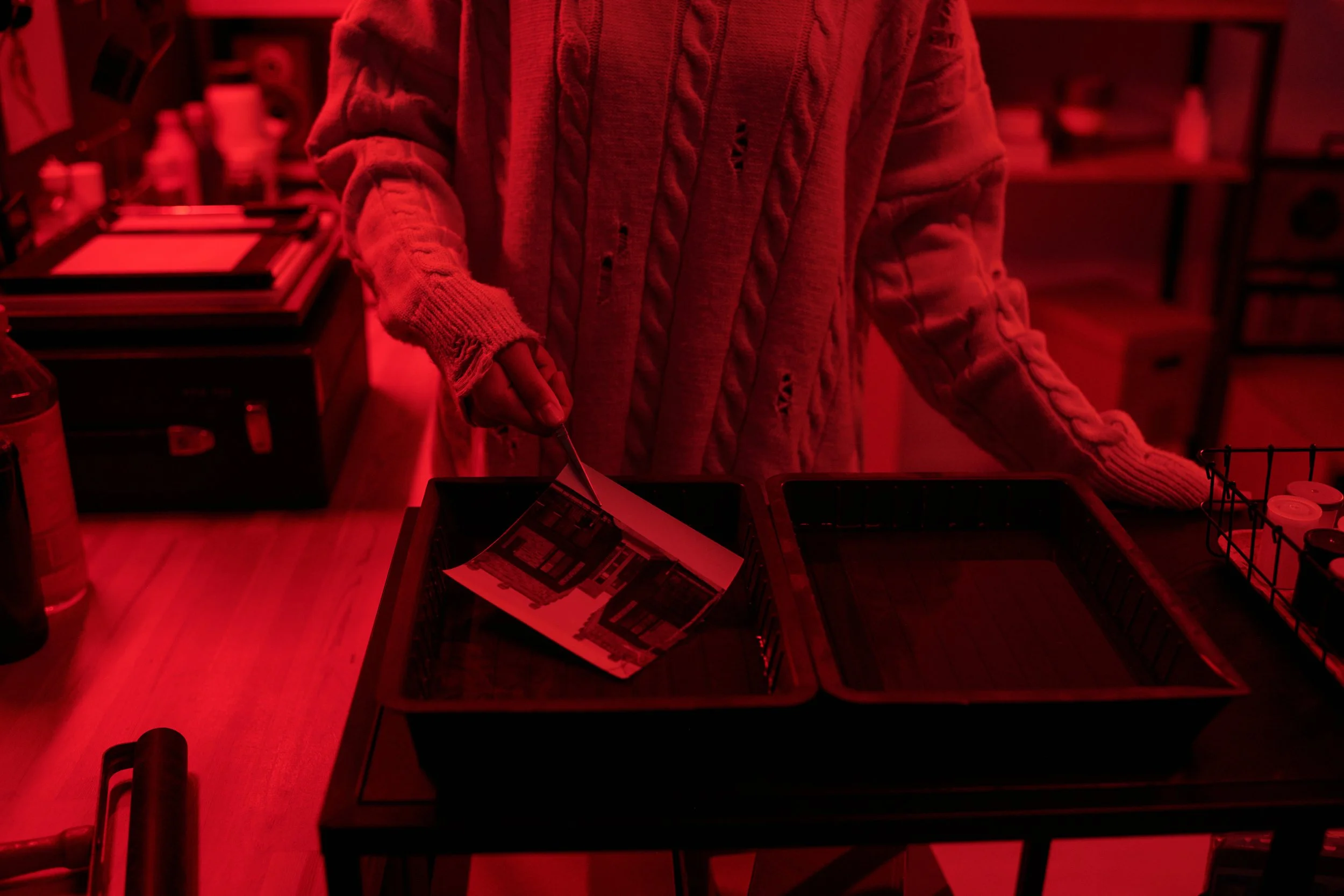
The Cinematic Notebook is where Liquid Light Lab® explores those relationships. Drawing on our background as professional photographers and our daily work in the lab, we publish technical articles, practical investigations and behind-the-scenes insights into analogue photography.
From Kodak VISION3 and ECN-2 processing to black-and-white developers, film-stock characteristics, cameras, lenses and high-resolution scanning, we examine the decisions and processes that shape photographic results.
Not everything here is written as a guide. Some articles document experiments, others explore equipment or photographic technique, and many draw directly on our experiences working with film, photographers and industry partners. Our aim is to share useful knowledge, challenge assumptions and explore the technical and creative possibilities of film photography.

Candido Film in the Studio: ECN-2 Development, Exposure Index and Noir Lighting in Practice
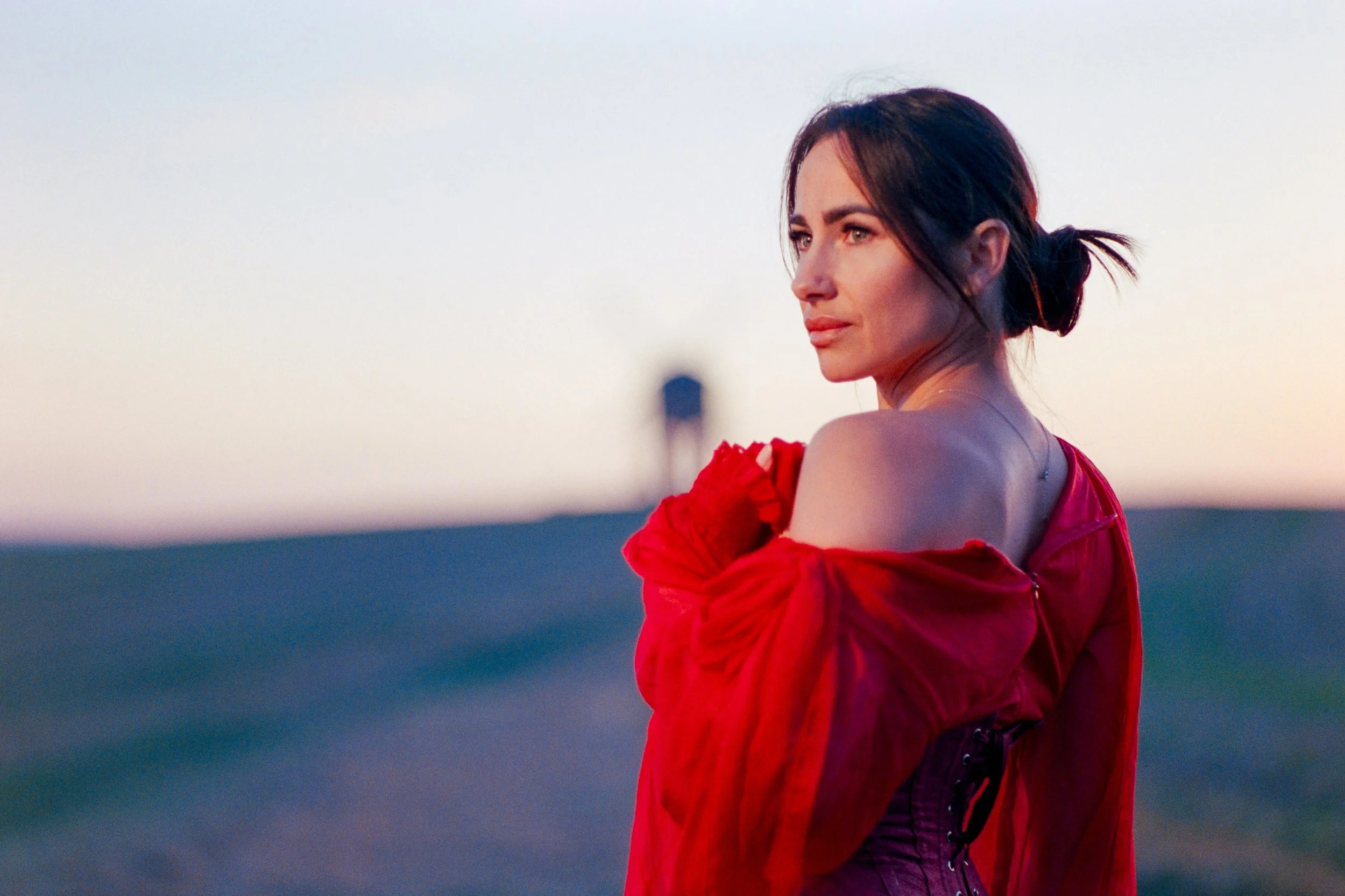
I recently did a professional studio session produced in collaboration with Candido Collective, with Nadia Dutchak modelling and hair and make-up by Iryna Pasechnik. The objective was was to demonstrate how motion picture film behaves when exposure index, lighting structure, development chemistry and scanning are treated as one continuous workflow.

Craig Sheffer on Cinematic Lighting, Photography & the Art of the Negative
Craig Sheffer has spent much of his career working in front of motion-picture cameras, experiencing the relationship between lighting, cinematography and performance from inside the frame. As an actor, writer, producer and director, he brings a perspective shaped by decades of filmmaking, including his starring role in Robert Redford's A River Runs Through It (1992), which won the Academy Award for Best Cinematography.

Chiaroscuro on Film, Part III: Flags, Negative Fill and Lighting Control
In Part I of this series, we examined the principles of chiaroscuro: how directional illumination creates form, how shadows establish depth and how photographic film records these differences as negative density. Part II explored those principles through practical portrait photography, examining lighting ratios, available illumination, film selection and optical rendering.
For this final instalment, the environment becomes more demanding. Photographed by the entire Team Light Lab with model Olga Pastushenko, this constructed interior night scene uses two controlled lighting sources, venetian blinds, negative fill, coloured illumination and atmospheric smoke to demonstrate how light can be contained within a complex space.

Directional Light on Film: Building the Chiaroscuro Portrait (Part II)
In Part I of this series, we explored how chiaroscuro uses illumination and shadow to create depth, and how photographic film records those differences as negative density.
Part II examines those principles through an original studio session photographed by Team Light Lab with model Ella Rue. Working with continuous light, available window illumination, three different 50mm lenses and both black-and-white and colour-negative film, the session demonstrates how lighting decisions influence the finished photograph.

Directional Light on Film: The Foundations of Depth, Shape, and Tonal Control (Part I)
Chiaroscuro is one of photography's most enduring approaches to shaping light. Through the deliberate relationship between illumination and shadow, photographers can create depth, reveal form and direct attention without relying on complex lighting arrangements.