


Liquid Light Whisperer & Candido Partnership
Candido is a motion-picture derived film now supported through dedicated in-house ECN-2 development pathways at Liquid Light Lab.
From film testing and technical documentation to professional photography, C-41 and ECN-2 processing, Liquid Light Lab's partnership with Candido Collective reflects an involvement in analogue photography that extends far beyond the UK.
Liquid Light Lab may be based in Royal Leamington Spa, but our work and technical influence extend internationally. We contribute to the knowledge and practices used by film manufacturers, photographers, professional labs and specialist scanning facilities, bringing together expertise in photographic chemistry, exposure, film development and high-resolution digitisation.
Our relationship with Candido Collective is a practical demonstration of that wider role.
As Candido's Technical Partner and Ambassador, we've authored the technical data sheets published across its website and written the printed instructions included with every roll of Candido film. These materials provide guidance to photographers, retailers and laboratories internationally, drawing on the same technical knowledge and practical experience that underpin our work at Liquid Light Lab.
Our involvement also extends to the evaluation of new photographic emulsions. We tested Candido's forthcoming 100-speed C-41 film and, following our assessment, recommended its ISO 100 rating. This is an example of our expertise contributing directly to the technical recommendations associated with a film manufacturer's products.
The relationship goes beyond the technical side of photography. As practising professional photographers, we continue to work with Candido films on commissioned assignments and studio productions. We also had the privilege of photographing the wedding of Candido founder Harry Bell, before developing and scanning the photographs at Liquid Light Lab.
Together, these activities demonstrate a partnership built on more than commercial association. They connect film manufacturing, technical research, professional photography, chemical processing and digital reproduction.
For Liquid Light Lab, this is the wider purpose of our work: contributing technical expertise to the international analogue photography industry while applying that same knowledge to every film entrusted to our lab.
A Technical Partnership Built on Practical Experience
Candido's range brings professional motion-picture-derived emulsions into 35mm still photography, offering photographers a choice of films with different speeds, colour balances and exposure characteristics. Understanding those differences requires more than reading a manufacturer's specifications.
The relationship between exposure, film density, development chemistry and scanning determines how the emulsion performs in practice. It is something we work with every day at Liquid Light Lab, and something we continue to explore through professional photography. It is the foundation of our role with Candido.
As Technical Partner, we contribute knowledge acquired through using the film photographically, processing it under controlled conditions and examining the resulting negatives and scans. As Ambassador, we use the films in actual photographic work, demonstrating their capabilities through original photographs rather than relying solely on technical claims.
The two roles are closely connected. Our work in the lab informs our photography, while our experience behind the camera informs the guidance we provide to Candido and the photographers using its products.
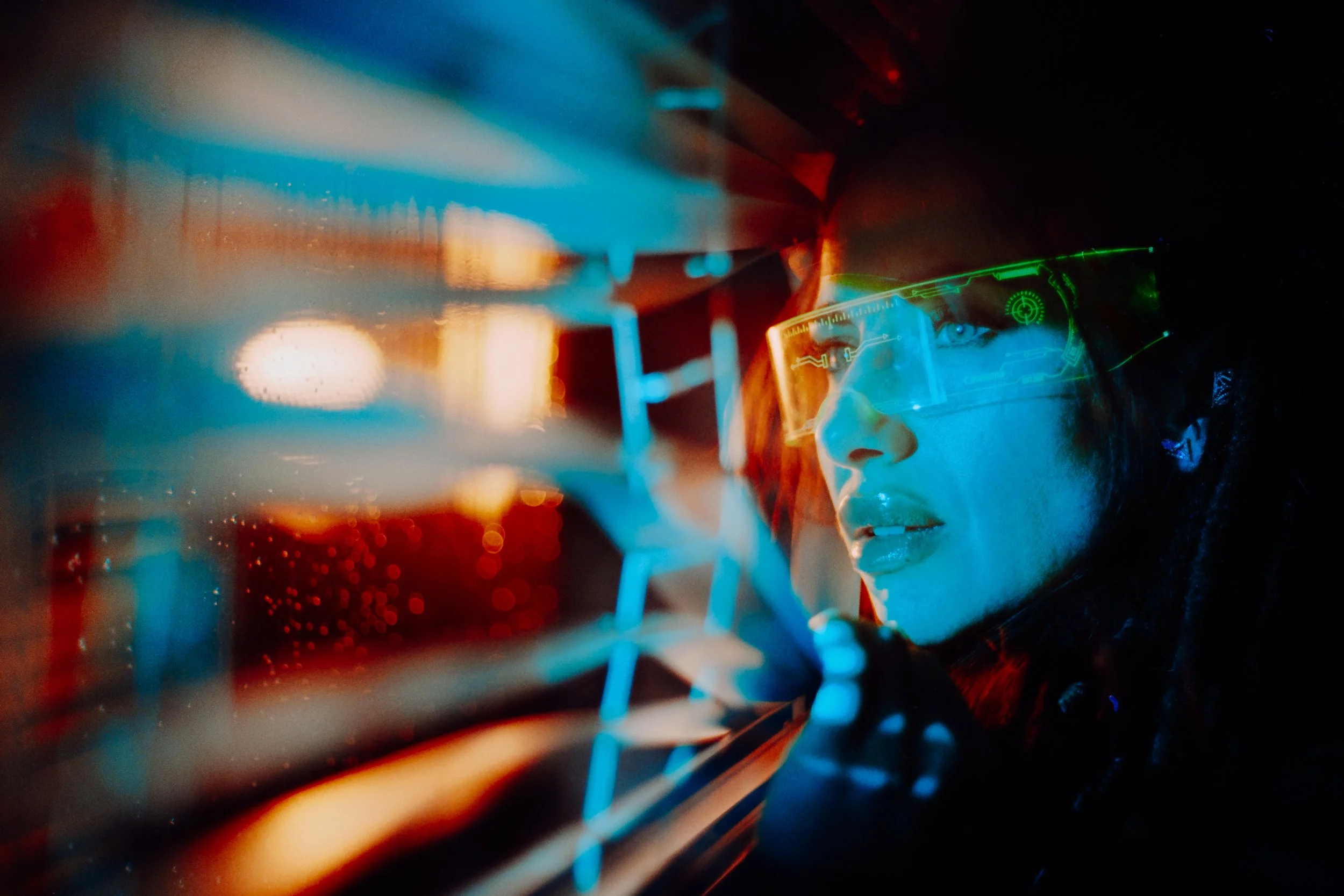
Candido 400 in action during our chiaroscuro lighting and workflow workshops — processed in at Liquid Light Lab, and scanned for full tonal control from highlight to shadow.
Writing Candido's Technical Data Sheets and Film Instructions
Writing technical guidance for a film manufacturer carries a particular responsibility. The information must be accurate, practical and useful to everyone working with the film, from photographers making exposure decisions to laboratories responsible for processing and scanning the resulting negatives.
Our documentation for Candido draws directly on professional photographic practice, film testing and the technical knowledge developed through our work at Liquid Light Lab. It addresses the characteristics of individual emulsions, exposure index, performance under different lighting conditions and the implications of different processing methods. Particular attention is given to films compatible with both C-41 and ECN-2 chemistry, where the choice of process influences negative density, contrast, colour response and subsequent scanning.
These are not simply specifications reproduced from existing manufacturer literature. They are practical instructions informed by working with the films, evaluating their results and understanding the requirements of the photographers and laboratories using them.
The distinction matters. A photographer needs to understand how to expose a film to achieve the intended result. A processing lab needs to understand the chemistry and the characteristics of the negative it is expected to produce. A scanning facility must understand how to capture and reproduce the information recorded by that emulsion.
By contributing this knowledge to Candido's technical documentation, Liquid Light Lab helps establish a shared understanding of the film across the photographic workflow — from exposure and processing to digital reproduction.

Candido film developed through the dedicated ECN-2 pathway at Liquid Light Lab — calibrated chemistry and high-dynamic-range scans built specifically for cinema-derived emulsions.
Testing New Candido Film: The 100-Speed C-41 Project
Our technical involvement also extends to evaluating new films. One recent example is Candido's development of a new 100-speed C-41 colour negative film.
Liquid Light Lab participated in testing this film, examining its photographic performance and suitability for its intended use. Following our evaluation, we recommended that the film be rated at ISO 100.
This is an important distinction in photographic film development. The speed assigned to a film influences how photographers expose it, how its characteristics are communicated and what they can expect when the exposed negatives are processed.
A manufacturer's intended rating needs to be meaningful in actual photographic conditions. Our testing contributes practical experience from both photography and the development-and-scanning stages, helping inform those recommendations. It demonstrates a further dimension of the partnership: Liquid Light Lab is involved not simply when Candido film reaches customers, but during the technical evaluation of new products.
Professional Photography: From Studio Work to Harry Bell's Wedding
Our collaboration is not confined to testing and processing. We are active professional photographers at Liquid Light Lab. Our experience includes portraiture, commissioned work and carefully constructed studio photography, as well as location assignments. Candido film has been part of that photographic practice.

The wedding of Harry Bell, founder of Candido Collective, photographed by Liquid Light Lab. From capturing the moments of the day to developing and scanning the negatives, the assignment reflects the professional trust and photographic expertise behind our international technical partnership.
We’ve used its films in professional studio sessions, exploring exposure index, lighting ratios, optical rendering and the relationship between development and final grading. One example is our Candido studio photography project, which brought together controlled noir lighting, professional models, motion-picture film, ECN-2 development and high-resolution scanning.
The relationship has also involved work of a much more personal significance. We photographed the wedding of Harry Bell, Candido Collective's founder. The photographs were subsequently developed and scanned at Liquid Light Lab, reflecting a different kind of professional trust.
Wedding photography involves moments that cannot simply be recreated. The decisions made behind the camera matter, and so does the handling of the exposed film afterwards. Being entrusted with both the photography and the subsequent development and scanning is a meaningful example of the confidence behind our professional relationship.
It also illustrates something central to Liquid Light Lab: we understand a professional photographers' responsibilities because we continue to undertake professional photographic work ourselves.
C-41, ECN-2 and the Importance of Correct Film Processing
Candido's motion-picture-derived films can be processed through compatible C-41 or ECN-2 workflows, allowing photographers to choose how their negatives will behave.
For photographers seeking the lower-contrast characteristics and grading flexibility associated with motion-picture negative, ECN-2 provides the reference development process. C-41 offers a different response, generally producing stronger contrast and a more immediately defined colour-negative rendering.
These choices affect more than the appearance of an initial scan. Development determines the characteristics of the processed negative, including its density relationships, contrast and colour response. Scanning must then record that information with sufficient precision to support the intended photographic result.
At Liquid Light Lab, our professional film processing includes controlled C-41 and ECN-2 workflows, supported by high-resolution and bit depth scanning through the Liquid Light Chamber.
Our standard scanning service produces files of approximately 60 megapixels, with high-resolution JPEG and 16-bit TIFF delivery included in development-and-scanning packages.
The emphasis is not on producing a large digital file, but on retaining the information recorded in the negative, including fine detail, tonal separation and the subtle transitions that contribute to the film's photographic character. This approach is particularly important for motion-picture emulsions, whose extended exposure latitude can be restricted by inadequate scanning systems. It’s this relationship between developing and scanning that is fundamental to our technical partnership with Candido.
“Liquid Light Lab is a lab service defined by technical excellence and reliability. The lab expertise and depth of knowledge when developing film — especially Candido — is unmatched. The consistency, tonal balance, and precision they achieve gives complete confidence that every roll is handled with care and true technical mastery.
Liquid Light Lab isn’t just a lab; it reflects passion, experience, and commitment to doing film properly.”
For customers, the significance is practical: the same technical experience contributing to Candido's film guidance is applied to the negatives processed at Liquid Light Lab.
Candido Film Development & Scanning at Liquid Light Lab
Liquid Light Lab offers dedicated Candido film developing and scanning packages for photographers throughout the UK. Customers can choose between C-41 and ECN-2 processing, with optional push and pull adjustments and additional image preparation. Our development-and-scanning packages include high-resolution JPEG and 16-bit TIFF files, providing both convenient finished images and files suitable for further editing and grading.
The service is supported by our experience testing, photographing, developing and scanning Candido films, together with the technical knowledge we contribute directly to the manufacturer.
Whether you're shooting Candido 50D, 200T, 400D or another compatible stock, our aim is to provide processing and scanning appropriate to the film and the way you intend to use the photographs.
This is what the Candido and Liquid Light Lab partnership represents: professional photography, technical expertise and specialist film processing working together, with an international reach that extends across film manufacturing, photographic practice, laboratories and advanced digitisation.
Explore Candido Film Development & Scanning at Liquid Light Lab
The Cinematic Notebook | Liquid Light Lab
Professional film photography, processing and digitisation.
Originally published 12 February 2026. Updated and republished 19 October 2026.