The Cinematic Notebook
Beyond the Frame. Inside the Process.
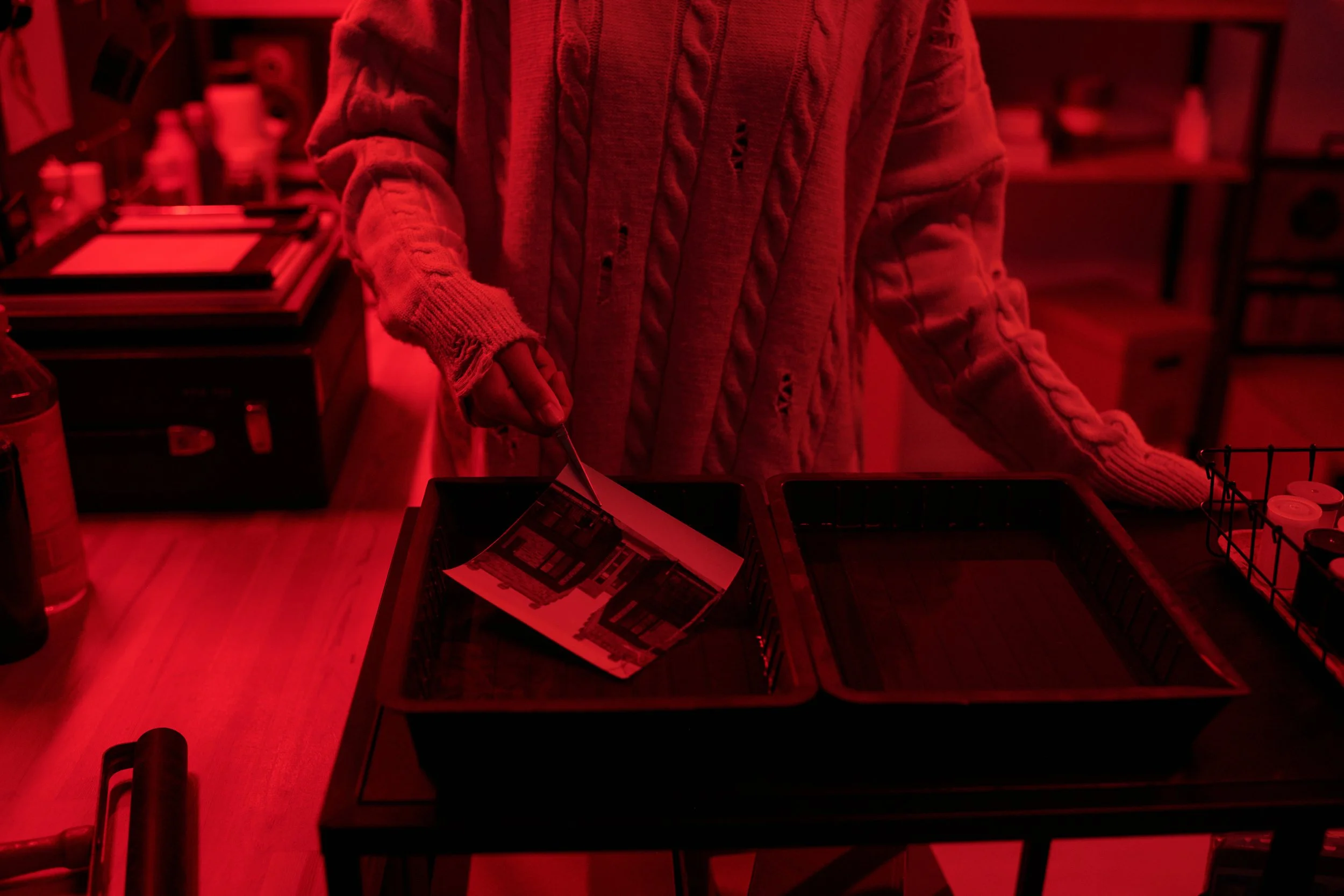
Photography is more than the moment of exposure. The characteristics of the film, the behaviour of the chemistry, the decisions made behind the camera and the precision of the final scan all contribute to the photograph.
The Cinematic Notebook is where Liquid Light Lab® explores those relationships. Drawing on our background as professional photographers and our daily work in the lab, we publish technical articles, practical investigations and behind-the-scenes insights into analogue photography.
From Kodak VISION3 and ECN-2 processing to black-and-white developers, film-stock characteristics, cameras, lenses and high-resolution scanning, we examine the decisions and processes that shape photographic results.
Not everything here is written as a guide. Some articles document experiments, others explore equipment or photographic technique, and many draw directly on our experiences working with film, photographers and industry partners. Our aim is to share useful knowledge, challenge assumptions and explore the technical and creative possibilities of film photography.

This Is How I Roll Film: Peter on Motion-Picture Stocks, Affordable Film and Getting the Most from ECN-2
Peter Gault from This Is How I Roll Film started from the same place many film photographers found themselves a few years ago: colour film was becoming harder to find, prices were rising, and shooting regularly was starting to feel less accessible. His answer was not simply to sell film, but to build a small independent range around stocks he already used, understood and believed in.

Craig Sheffer on Cinematic Lighting, Photography & the Art of the Negative
Craig Sheffer has spent much of his career working in front of motion-picture cameras, experiencing the relationship between lighting, cinematography and performance from inside the frame. As an actor, writer, producer and director, he brings a perspective shaped by decades of filmmaking, including his starring role in Robert Redford's A River Runs Through It (1992), which won the Academy Award for Best Cinematography.

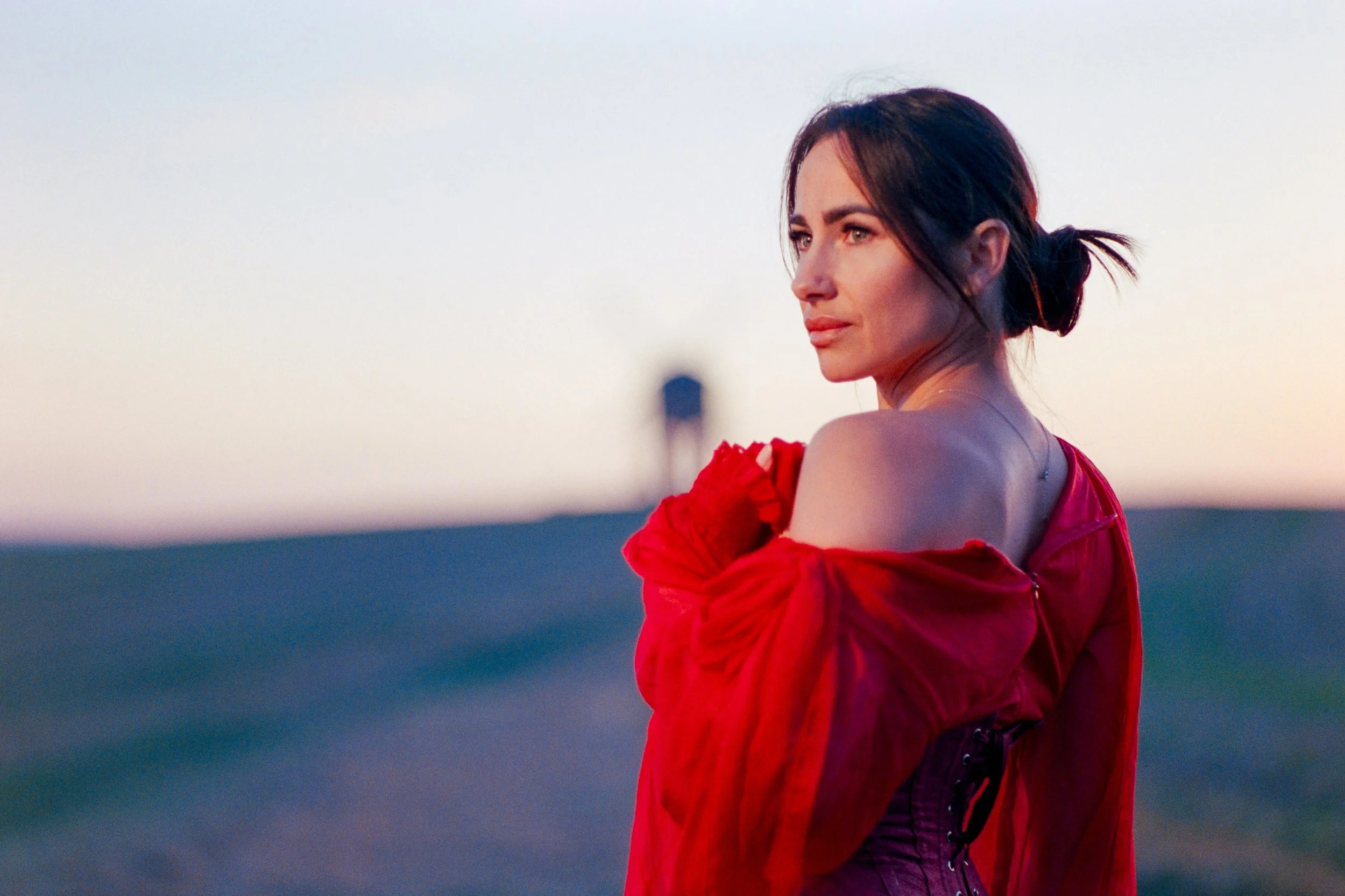
Portraiture on Candido Film at Chesterton Windmill, Warwickshire
There is something distinctive about photographing people on film in an open landscape. The light changes, the surroundings become part of the composition, and the photographer must make deliberate decisions about exposure, positioning and the moment of capture.